Relational vs. Transactional Networking: Why Building Time-Tested, True Connections Matters

In today’s fast-paced world, we often hear about the importance of networking. But not all networking approaches are created equal. Some professionals approach networking as a purely transactional experience, while others invest in building long-lasting, relational connections. The difference between these two approaches is significant and can make or break your long-term success.
In this blog post, we’ll explore why relational networking creates time-tested, authentic relationships and why transactional approaches often lead to failure. We’ll also share practical tips on how to build authentic connections and pitfalls to avoid along the way.
The Difference Between Transactional and Relational Networking
At its core, transactional networking is about quick exchanges. It’s when someone connects with you purely because they want something from you—a referral, a sale, or a favor. Once they get what they want, the relationship often dissolves. Think of it as a “one-and-done” scenario.
Relational networking, on the other hand, is built on trust, mutual respect, and a genuine interest in the other person. In relational networking, the goal is not just to make a quick sale or get a favor. It’s about getting to know someone on a deeper level, understanding their values, and figuring out how to help one another succeed over time. These are the relationships that stand the test of time because they are rooted in authenticity and care.
Why Relational Networking Relationships Stand the Test of Time
Relational networking is based on the principle of mutual benefit, not immediate gain. When you take the time to truly understand someone’s goals, challenges, and values, you build trust. This trust fosters loyalty and leads to long-term, fruitful relationships where both parties support each other’s success.
These types of connections grow stronger over time. As you share experiences, offer help without expecting anything in return, and celebrate each other’s wins, the bond deepens. When the time comes for a referral or a collaboration, it feels natural because you’ve already built a foundation of trust and mutual respect.
Why Transactional Networking Relationships Fail
While transactional relationships may yield short-term gains, they rarely lead to lasting success. When you approach networking as a “what’s in it for me” situation, people notice. It’s hard to build trust when the other person feels like they’re just a stepping stone to your next goal.
Moreover, transactional relationships often fall apart when the needs of one party change. If someone connects with you only because they want something, what happens when they no longer need that thing? The relationship fades, and you’re left starting from scratch again. This approach to networking is not sustainable and can even damage your professional reputation.
The Harmful Impact of Transactional Networking
Transactional networking leaves a trail of burned bridges. When people feel used or undervalued, they’re less likely to refer you to others or engage with you in the future. Worse, they may share their negative experience with others, harming your reputation.
In the long run, transactional networking can hinder your growth, both professionally and personally. Trust is hard to build and easy to break, and once it’s gone, it’s almost impossible to regain.
Tips for Building Authentic Relational Networking Relationships
Be Genuine: When meeting someone new, approach them with curiosity. Don’t focus on what they can do for you—focus on getting to know them as a person. Ask about their passions, interests, and challenges.
Offer Help First: One of the best ways to build trust is to offer value before asking for anything in return. Can you introduce them to someone? Share a resource? Provide guidance? Give without expecting anything in return.
Follow Up Consistently: Relationships take time to build. Regular check-ins, even if they’re just quick notes to say hello, show that you care and are thinking of the other person.
Be Patient: Building relationships takes time. Don’t expect immediate results. Let the relationship develop naturally and focus on the long-term benefits of mutual trust and support.
Listen More Than You Speak: People appreciate being heard. When you truly listen to someone’s story and experiences, you’ll understand how best to support them. This is key to building deep, lasting connections.
Traps to Avoid in Networking
Focusing on Yourself: If you’re always talking about your own needs or accomplishments, people will tune out. Be genuinely interested in others.
Moving Too Fast: Trying to rush a relationship by immediately asking for referrals or favors is a big mistake. Relationships take time to develop, and pushing too quickly can come across as inauthentic.
Using People for Quick Gains: People can sense when they’re being used. Never view someone as just a means to an end. Authentic relationships are about long-term value, not short-term gains.
Ignoring Red Flags: Not everyone is a good fit for a long-term relationship. If you notice someone is consistently transactional or doesn’t align with your values, it’s okay to move on.
The CORE Network Groups Approach: Built on Relational Networking
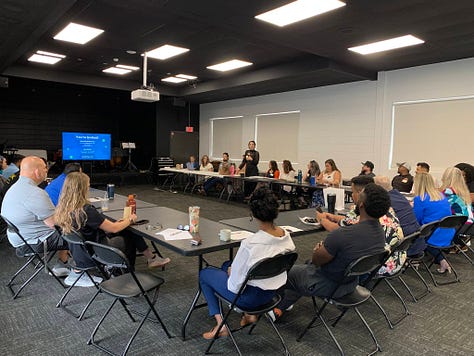
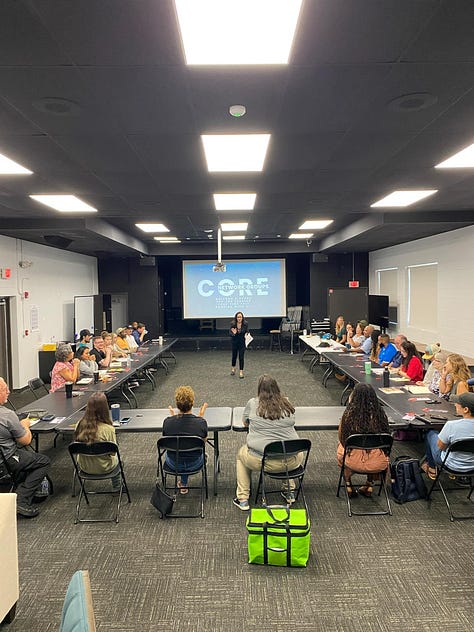
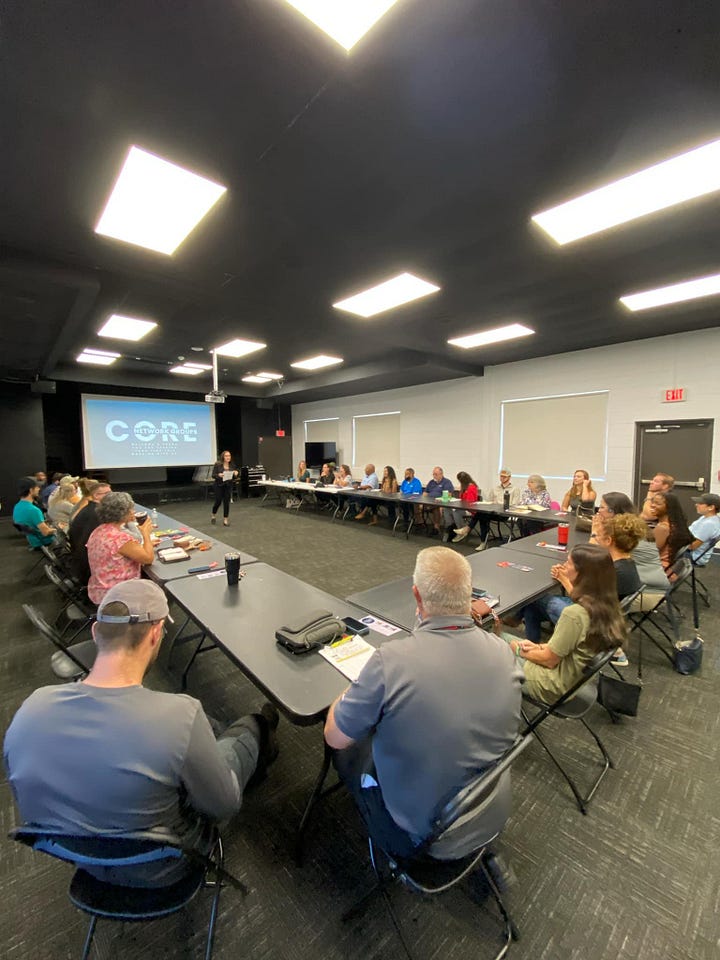
At CORE Network Groups, we embody the philosophy of relational networking. Our system is designed to cultivate long-term, authentic relationships that stand the test of time. Here’s how our approach benefits our members:
Trust and Authenticity First: Our meetings, power teams, and events are all structured around building deep, meaningful relationships. It’s not just about exchanging referrals—it’s about creating a trusted community of professionals who genuinely want to see each other succeed.
Consistent, Relationship-Driven Networking: CORE Network Groups emphasize the importance of consistency. Weekly meetings and regular check-ins foster familiarity and trust, which are essential for building solid, lasting connections. By showing up regularly, you invest in the long-term health of your relationships.
Mutual Support and Collaboration: CORE members know that networking isn’t a one-way street. We encourage mutual support, where members actively look for ways to help each other through referrals, advice, or simply being there as a sounding board.
A Safe Space for Personal and Professional Growth: CORE’s environment is one where members are encouraged to share not just professional wins but personal challenges and experiences as well. This creates an authentic connection where members can truly understand and support one another.
Long-Term Commitment Over Short-Term Gains: Our focus is on fostering relationships that will grow over time. In CORE, the goal isn’t just to make a quick referral—it’s about building a network of trusted advisors and friends who can collaborate and thrive together.

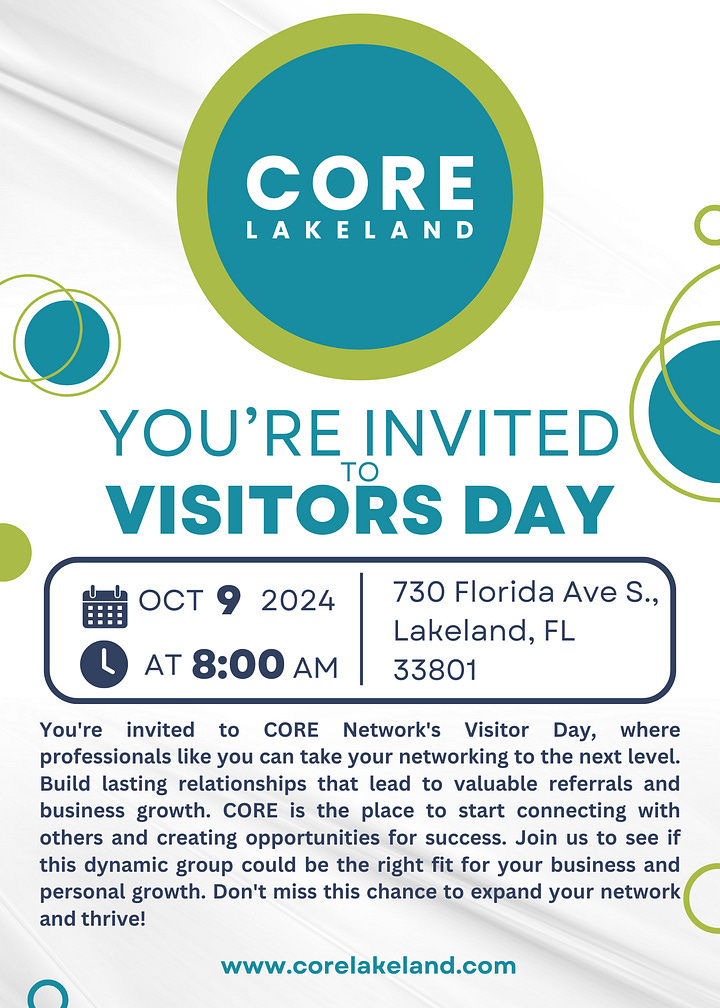
You're Invited to Visitor's Day!


Conclusion
Relational networking is about playing the long game. It requires patience, authenticity, and a genuine interest in others. While transactional relationships may offer quick wins, they rarely stand the test of time. CORE Network Groups exemplify this relational approach, offering an environment where members can form time-tested, true connections that will grow both personally and professionally.
So the next time you’re at a networking event or considering joining a group, ask yourself: Do you want to make quick, fleeting connections or invest in relationships that will truly stand the test of time? If you value long-term success, authenticity, and meaningful connections, CORE Network Groups is where you belong.